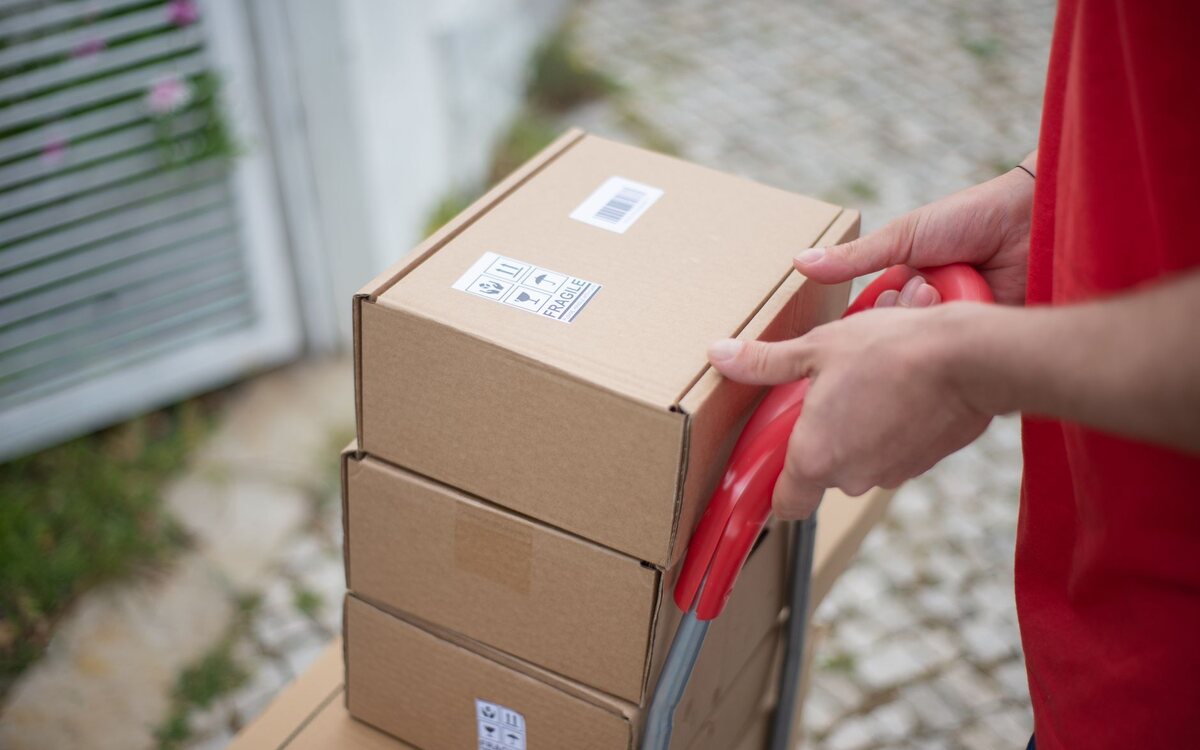
A large marketplace sells everything from a phone case to a fridge, and that wide range changes the strategy. A twenty-unit product sells on impulse; a two-thousand one sells on research. Promoting both the same way wastes the second — which is exactly where the commission worth having is.
Content that helps people decide
Somebody about to spend more researches first. A comparison between two models, a review from someone who actually used it, an answer to the doubt that is blocking the purchase — that is the content that converts at the higher price.
And it is content people actively look for, which leads to the next point.
Being where the research happens
Purchase research starts in a search engine, not in a feed. A page of yours answering “model A or model B” reaches the person at the exact moment of the doubt.
For that page to be found, it has to be indexed and have sites pointing at it.
Social networks, in the role of a shop window
They work well for the cheap item and for keeping an audience. For the expensive one they serve as the front door: show the product, take people to the page where the decision happens.
Groups
Deal groups exist in volume. They are worth it when you genuinely filter — nobody needs one more group forwarding everything.
Careful with paid advertising
Marketplace commission per sale is usually smaller than on digital products. Paying per click without working out your conversion rate is the fastest route to working for nothing.